

By now you can build a single agent. The previous instalments did exactly that — an advisory board agent — and then catalogued the ways it breaks. This one is about what comes next, which is the harder and more interesting half: orchestration.
Below are six patterns for wiring several agents together, each with the shape it makes on the page. None of them is new — they are borrowed from distributed computing and have been quietly running your search engine and your bank for years. What has changed is that you can now assemble them yourself, in an afternoon, without writing the plumbing underneath. Here is what each one does, and where it earns its keep in health communications.
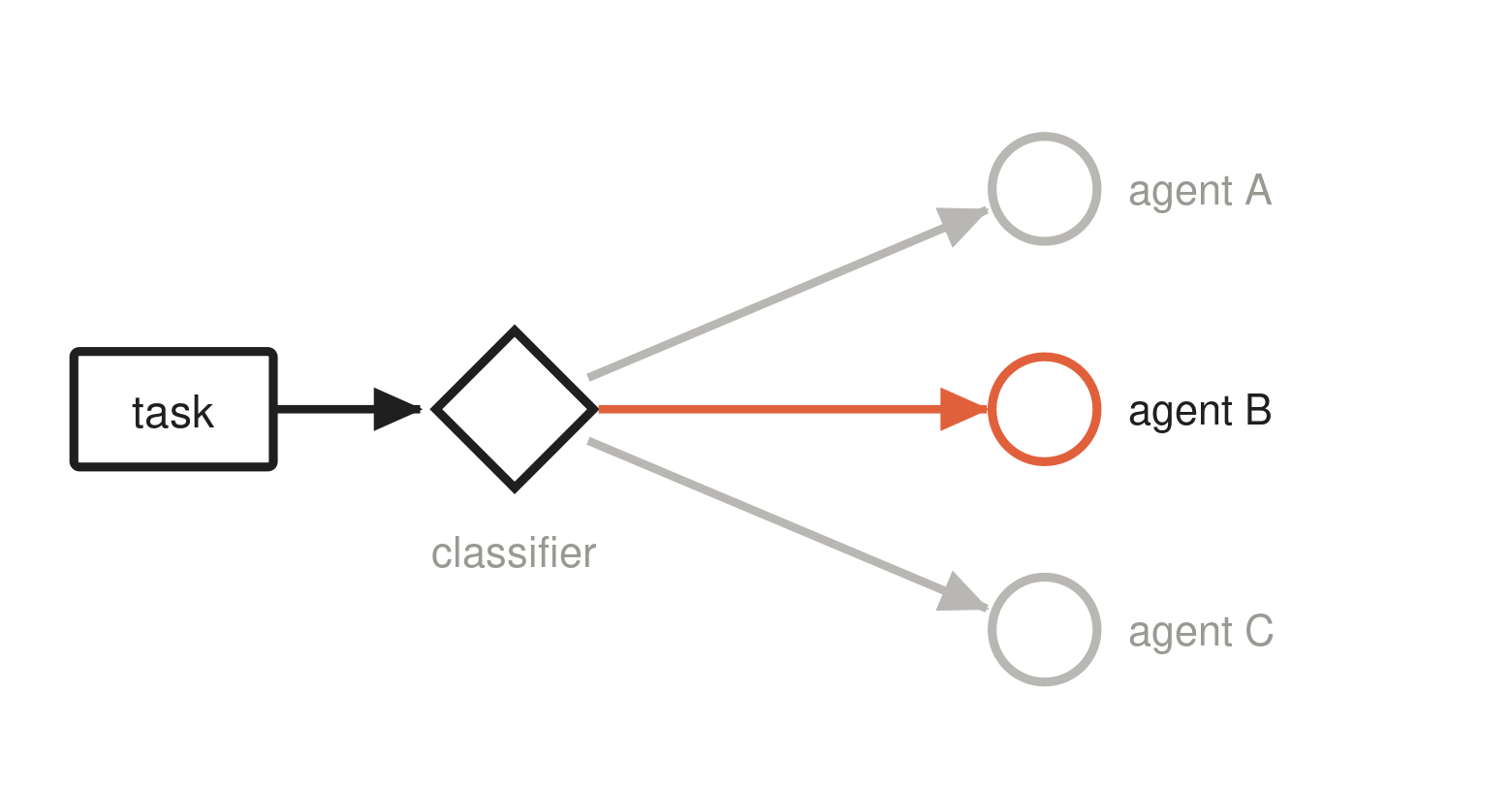
1. Classify-and-act. A router. One agent reads the incoming task and sends it down the right path — triage an inbound medical-information query to the correct specialist, or sort a piece of content by whether it needs MLR review at all. Cheap, and it stops you running an expensive workflow on something that needed a one-line answer.
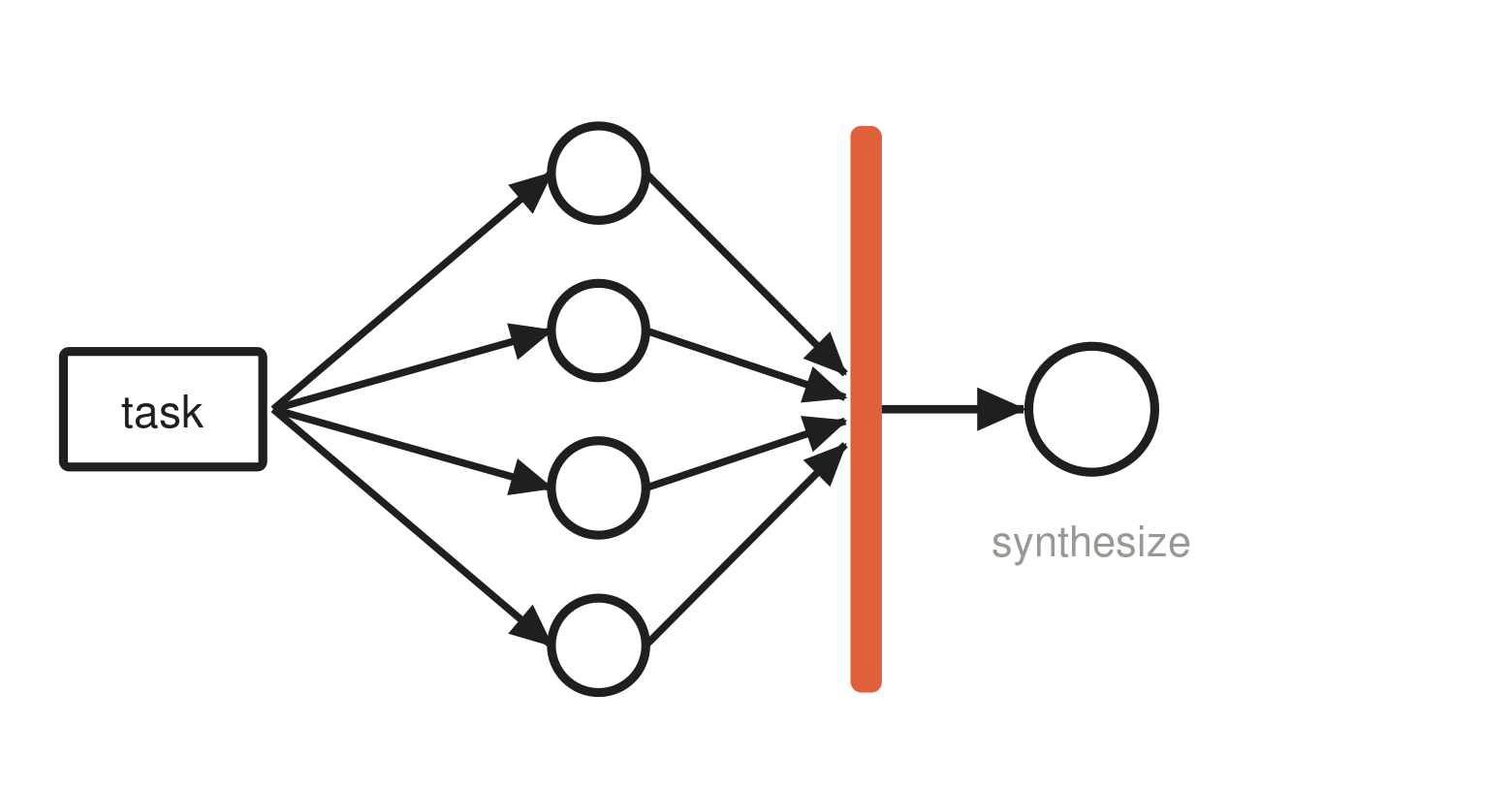
2. Fan-out-and-synthesise. Several agents work the same problem in parallel, and a final agent merges their output. Useful when a task has genuinely separate facets — summarise a data readout for efficacy, safety and access at the same time, then stitch the threads into one briefing.
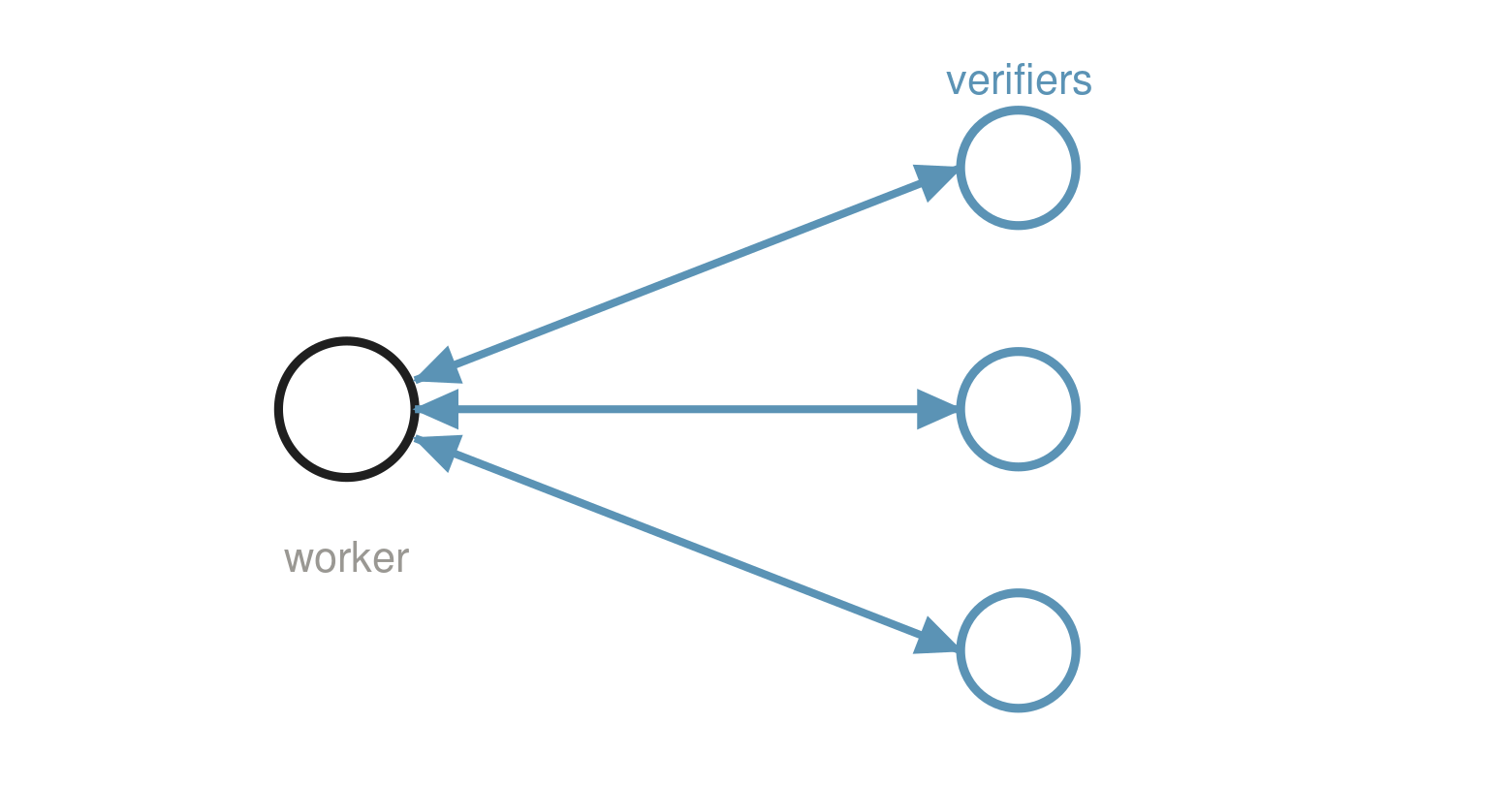
3. Adversarial verification. A worker produces; independent verifiers check. This is the pattern that matters most in regulated work, and the one teams skip first. A drafting agent writes, a separate agent checks every claim against source, and a third checks against the MLR rulebook. Never let the model that wrote the copy be the one that signs it off.
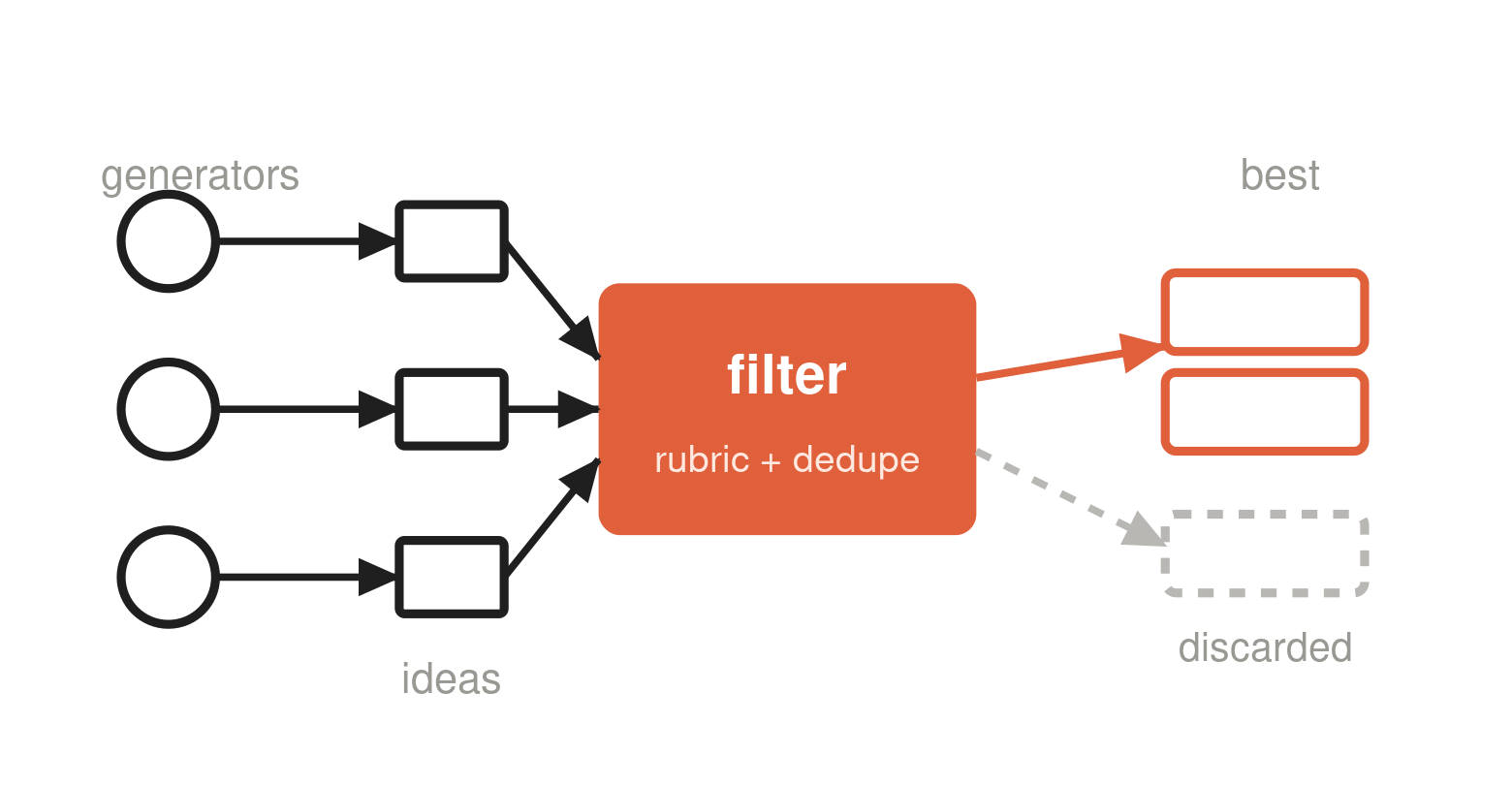
4. Generate-and-filter. Many cheap generators throw out ideas; a filter scores them against a rubric and removes the duplicates; the best survive. Headline options, discussion questions, plain-language summaries — generate forty, keep four.
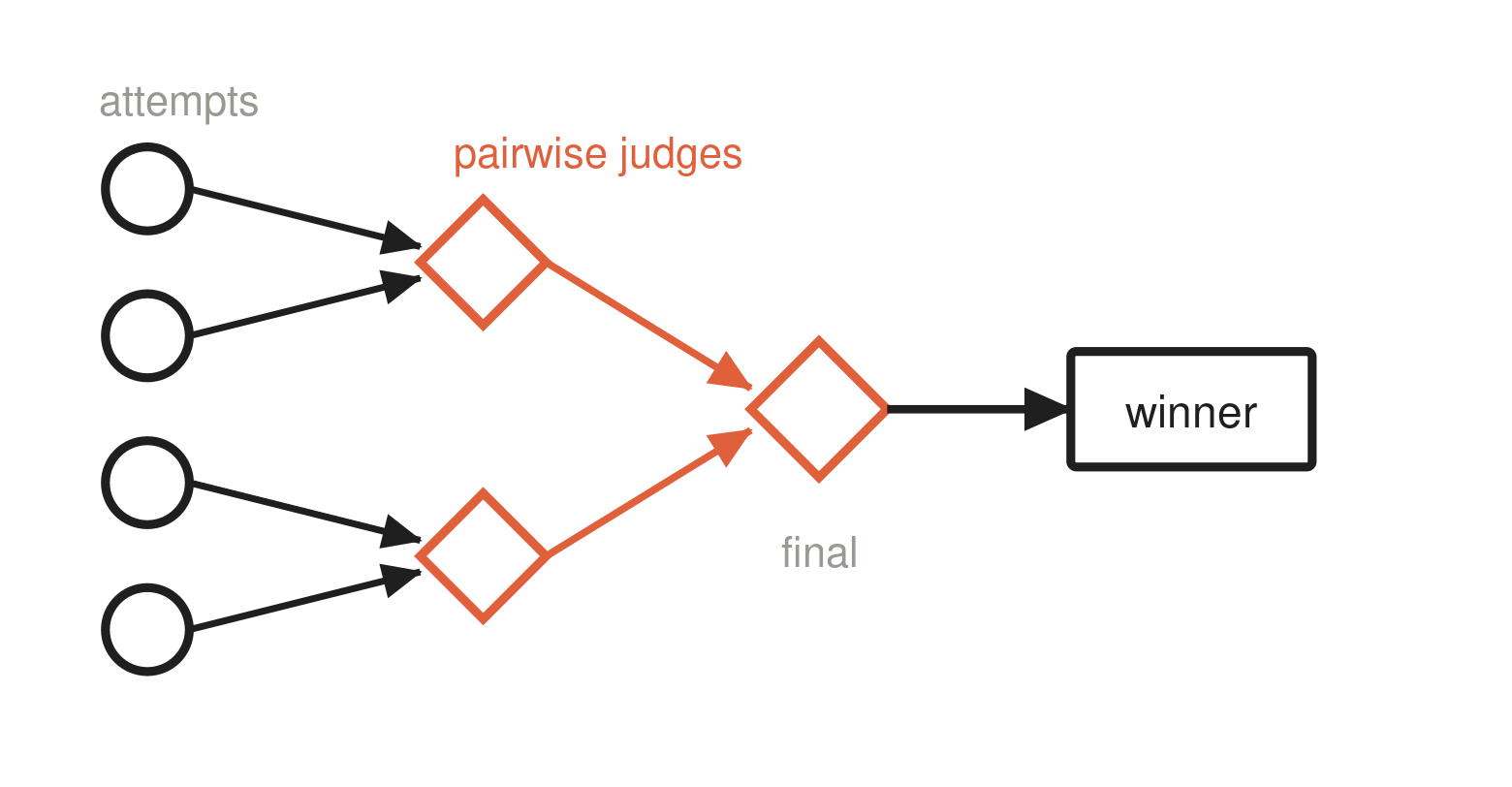
5. Tournament. When “best” is a matter of judgement rather than a checklist, judge the candidates pairwise and let a winner emerge. Slower than a filter, better when quality is subjective — choosing the sharpest framing of an executive summary.
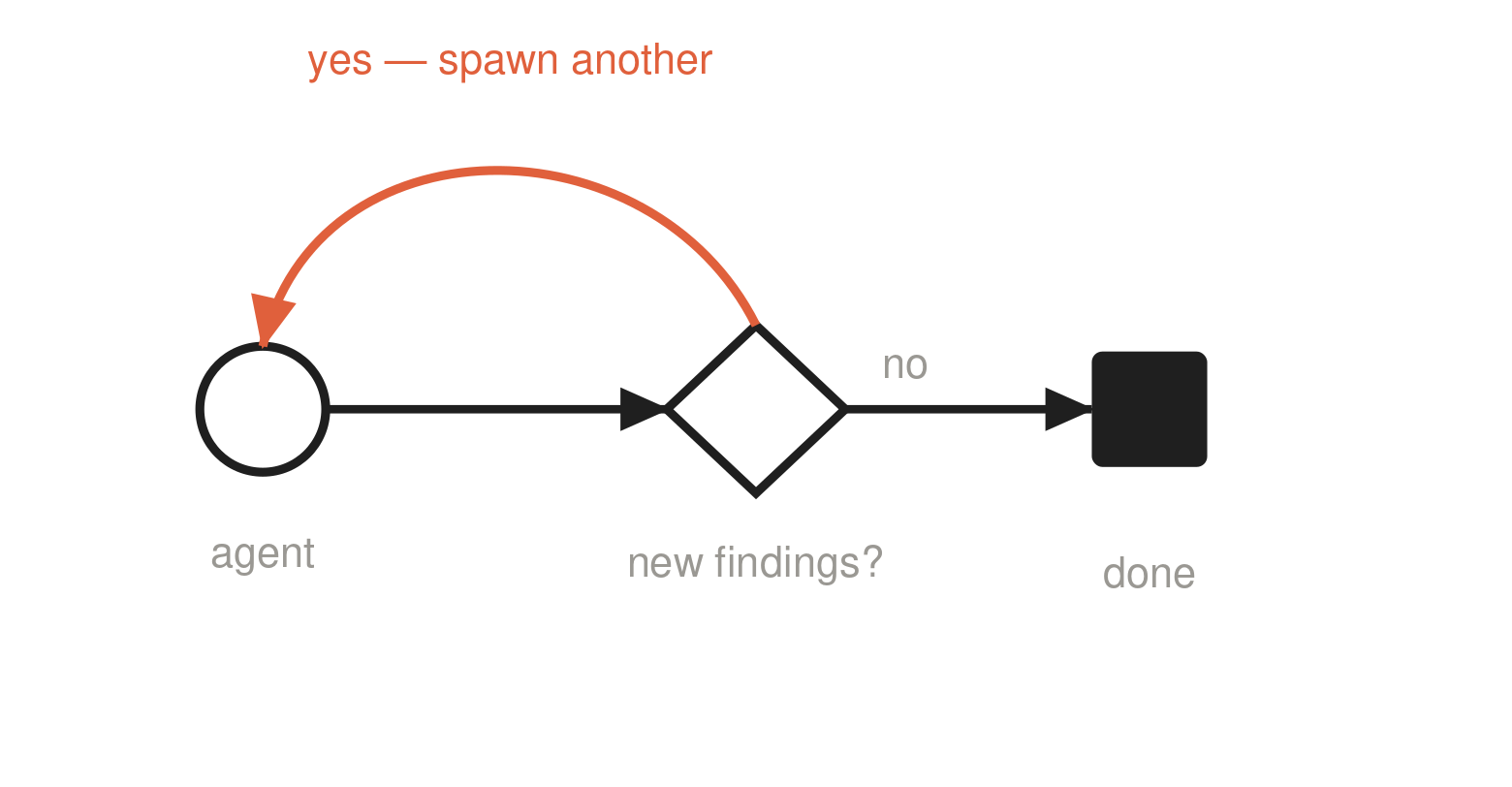
6. Loop until done. An agent works, asks “is there anything new here?”, and spawns another pass if the answer is yes. A literature scan that keeps searching until it stops finding anything, then stops. The discipline is entirely in the exit condition; without a good one, it runs forever.
Where Cowork comes in
A year ago, wiring these together meant code — queues, retries, state you had to hold somewhere. Cowork collapses most of that. You describe the flow in plain language and it does the assembly: spawns the subagents, fans the work out, runs the verifier, loops until the exit condition trips, and reaches into your actual tools — the document store, the spreadsheet, the publishing platform — through connectors. The single advisory board agent from the last piece stops being the whole system and becomes one node in a larger graph. You compose the graph by describing it, not by building it.
That is the real shift, and it is easy to undersell. The patterns were always available to anyone with an engineering team. What is new is that the person who actually understands the regulatory and editorial constraints — you — can now assemble them directly, without translating every requirement through a developer first.
A worked example: the advisory board pack
Stitch four of the six together and you have a workflow that does real work.
Classify the incoming materials by therapy area and route them (1). Fan out across the pre-reads, advisor profiles and prior transcripts, and synthesise a board briefing (2). Generate candidate discussion questions and filter them against a rubric — non-leading, on-objective, compliant — discarding the rest (4). Then, and this part is non-negotiable, run the whole pack past a verification agent that checks every factual claim and flags anything MLR would catch (3). After the meeting, a loop-until-done pass mines the transcript for themes, spawning follow-ups until no new insight appears (6).
What used to be a fortnight of associate time becomes a reviewed first draft by the morning after the meeting. Not a finished pack — a first draft, with the checking already done and the gaps already marked.
The patterns are old. The ability to assemble them without an engineering team is the actual change. And, as ever, adversarial verification is the step you cannot afford to leave out — in this field, the workflow that generates is only as trustworthy as the one that checks it.
— Ned